Narrative Theory
The term Classical Hollywood Narrative is a narrative structure based on Tzvetan Todorov's theory. Todorov suggests that the beginning of a story usually starts with equilibrium implying that all opposing forces are in balance. This is then disrupted by some event, which is usually followed by a chain of events. At the end the problems are solved into a new equilibrium. As the Classic Hollywood Narrative is used frequently in media texts I believe that it works effectively making it easier to understand the media text itself. As the Classic Hollywood Narrative displays a clear structure it makes it easier to understand the events which are taking place. Halloween (1978) by John Carpenter shows some elements of the Classic Hollywood Narrative. The beginning of the film shows equilibrium, then a problem occurs. Although there is an attempt to resolve the problem, it never gets fully solved at the end. This has been done purposely, as Halloween is a horror film cliff hangers are commonly used to leave the audience on the edge of their seat. It also allows them to make another film to follow on from the previous one.
It was Vladimar Propp who came up with the theory of character types. He came up with this theory from looking at hundreds of folk tales, from them he then identified eight character roles. The eight character roles are:
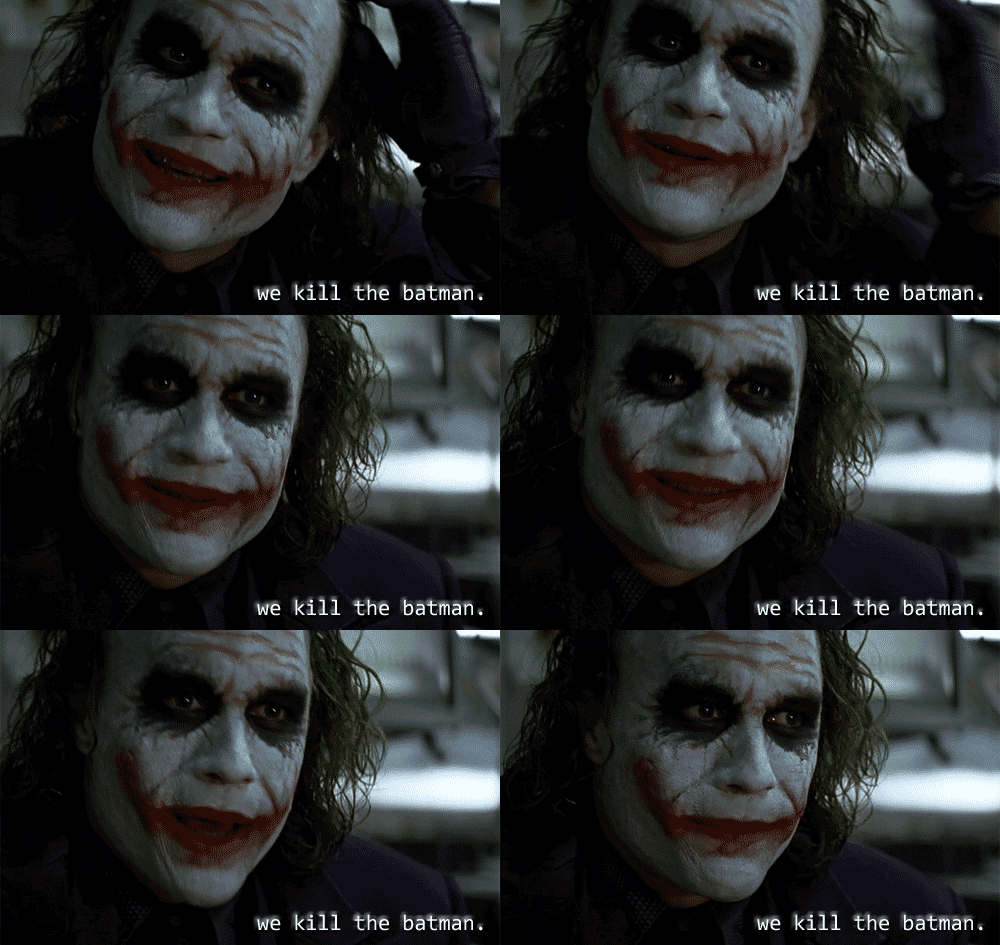
The villain - The one who intends to do bad.

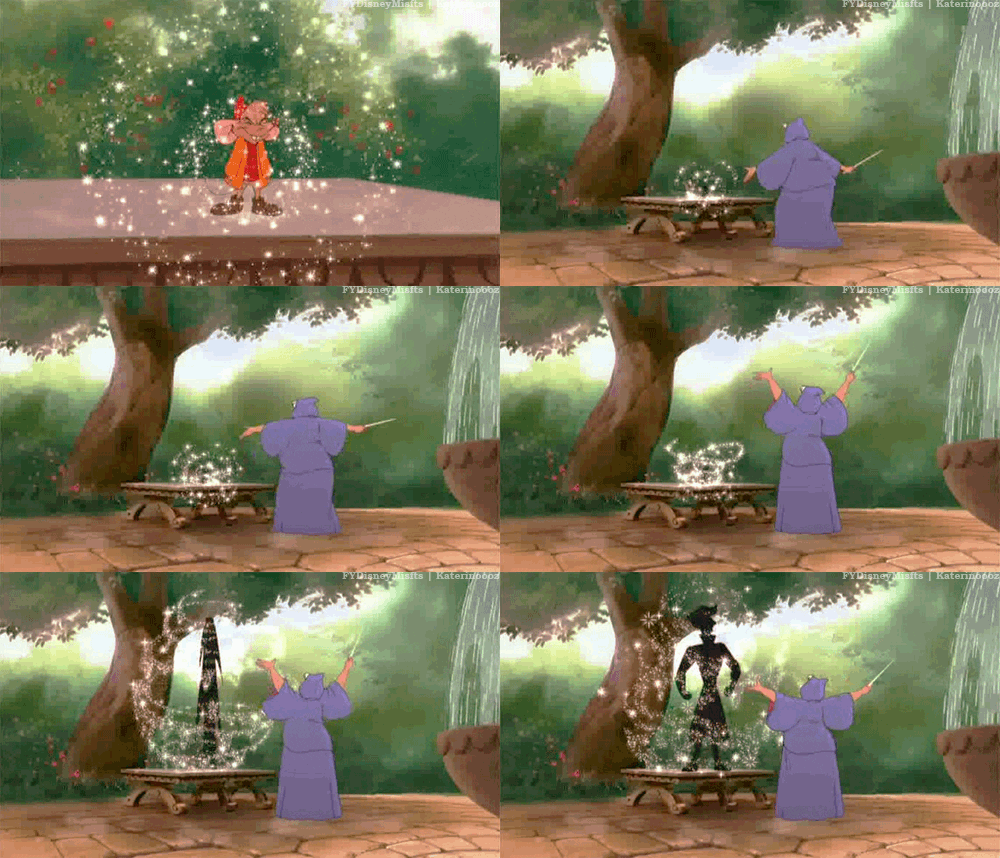
The donor - The one who provides an object with some magic property.
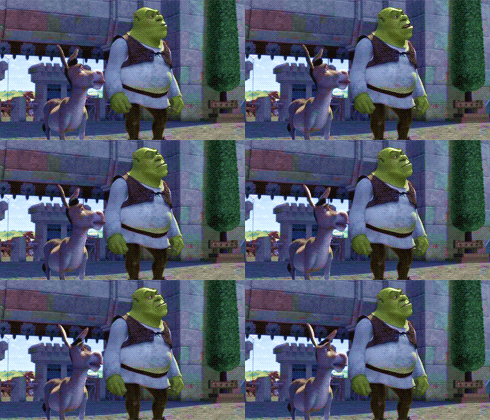
The helper - Who aids the hero.
These character types are very useful for the audience as it allows them to understand which characters play each role.

No comments:
Post a Comment